

UN Guide to Selecting Sudanese Youth
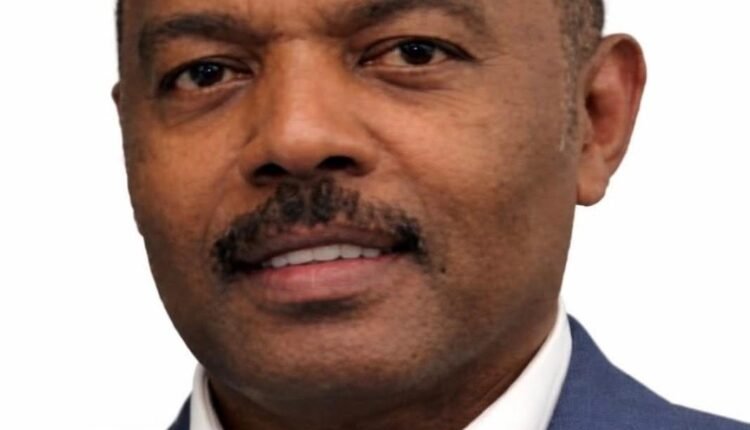
Mustafa Abdel Aziz Al-Batal
News reports indicate that Pekka Haavisto, the UN Secretary-General’s Special Envoy to Sudan, met with. Ahmed Jamil and several individuals purportedly representing Sudanese youth. They discussed the evolving situation in the country, along with a number of issues concerning Sudanese young people.
I then read a post by Ahmed Jamil, written after the meeting, in which he noted several critical observations regarding the proceedings and the nature of the issues and topics these groups typically raise in their meetings with international officials. These observations were indeed noteworthy and deserve careful consideration.
May God bless Mr. Pekka Haavisto (and forgive him for openly expressing his personal sex preferences), and may He bless the good young people who met with him and exchanged views on Sudanese issues.
However, several questions have persistently plagued my mind: Who is Ahmed Jamil, whom the international envoy, Pekka Haavisto, met with? And who were these young people who represented Sudanese youth at that meeting? On what basis and criteria does the UN Secretary-General’s Envoy select the individuals or groups supposedly representing Sudanese youth? And how do these individuals acquire this representative status, which entitles them to speak on behalf of the diverse and multifaceted youth of Sudan?
According to statistics from the UN’s own specialized agencies, those under the age of 25 constitute approximately two-thirds of Sudan’s population. If the UN is truly keen to ascertain the views of Sudanese youth on their country’s issues, it is only natural to question the basis, criteria, and mechanisms applied by its envoys and officials in selecting those they meet and granting them the authority to speak on behalf of Sudanese youth.
How can we be certain that these meetings reflect, even minimally, the true diversity of this vast demographic, with its varied backgrounds, currents, and orientations, and that they are not limited to specific groups due to their proximity to Western powers and international organizations, their established relationships with them, or their easy access through known networks?
The question here is not about the people themselves, nor does it diminish any citizen’s right to express their opinion, but rather it is about the methodology of representation adopted by the United Nations and the general official and unofficial Western bodies and institutions, and the extent to which they are able to reach a picture closer to reality when they claim that they are listening to the people of Sudan!
Shortlink: https://sudanhorizon.com/?p=16147