

Sun Tzu in Khartoum: When Chinese Military Philosophy Meets Contemporary Sudanese War (2–2)
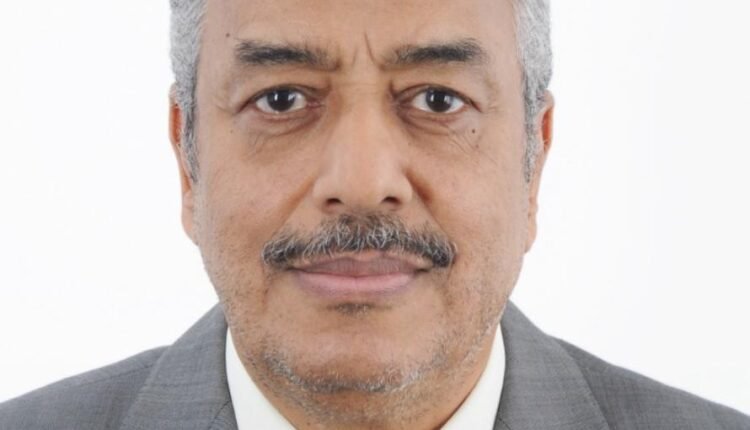
Dr Ismail Satti
Part One examined the intellectual background of The Art of War by Sun Tzu, outlining its general philosophy and core concepts. It applied the seven criteria of victory and the five fundamental elements to the reality of the Sudanese war, analysing moral legitimacy, the role of military leadership, and the operational shifts based on attrition, manoeuvre, and psychological warfare. In this second part, we turn to the major challenges that confronted the course of the war, how they were addressed through Sun Tzu’s logic, and what victory ultimately means in the Sudanese context.
Fourth: The Challenges – and How They Were Confronted Through Sun Tzu’s Logic
From the perspective of The Art of War, General Abdel Fattah al-Burhan faces significant challenges. Yet the crucial question is how those challenges were transformed into opportunities.
The First Challenge: The Factor of Time
The Warning:
Sun Tzu cautions that prolonging war “will blunt the army’s weapons and dampen its ardour, exhaust the state’s resources, and undermine morale”. The worsening humanitarian crisis and the millions displaced risk generating international pressure and domestic opposition demanding a ceasefire on terms unfavourable to the army.
How It Was Confronted:
The military leadership converted time from a burden into a pressure tool through an integrated strategy:
Transforming suffering into moral momentum: Field violations attributed to the Rapid Support Forces (RSF), particularly following the fall of Wad Madani in December 2023, were framed to galvanise national sentiment and channel public anger into fighting resolve.
Turning the tables to the army’s advantage: Contrary to Sun Tzu’s warning, the army has used time to build increasing self-reliance, while RSF forces have struggled to sustain extended supply lines. Rather than rushing into costly engagements, the army has invested time in training and force development.
The Second Challenge: The Enemy’s Extreme Flexibility
The Warning:
As a non-regular force, the RSF enjoys high mobility and operational flexibility. Sun Tzu likens warfare to water—adapting to terrain. For a conventional army, such fluidity can be a double-edged sword, as structured forces may adapt more slowly than agile militias.
How It Was Confronted:
The response was exceptional and aligned with Sun Tzu’s principle of “fighting the enemy with his own weapons”:
Mobilisation and training of the Popular Resistance: General al-Burhan issued a call for general mobilisation, establishing training camps for thousands of civilians to form a substantial reserve force.
Outmanoeuvring through mirrored flexibility: Popular Resistance fighters adopted militia-style tactics and, in several urban engagements in Khartoum and Al Jazirah State, reportedly surpassed RSF capabilities. In cooperation with the army, they are said to have repelled more than 40 RSF assaults on the Armoured Corps headquarters alone, inflicting significant losses. As local residents, these volunteers possessed intimate knowledge of the neighbourhood terrain, granting them a decisive field advantage.
Numerical expansion: The number of mobilised fighters reportedly exceeded 200,000 across Kordofan and central, eastern, and northern Sudan, supplementing regular forces and compensating for infantry shortages.
Tactical agility: Small, fast-moving combat cells (companies and battalions) were employed for rapid manoeuvre in urban warfare—fully aligned with Sun Tzu’s maxim: “Speed is the essence of war.”
The Third Challenge: The Political Front
The Warning:
Victory is not measured solely on the battlefield. Sun Tzu observes: “The general is the arbiter of the people’s fate.” The absence of a coherent civilian political base to manage the political struggle alongside the military one places additional pressure on the military leadership.
How It Was Confronted:
The leadership sought to address this through:
Building alternative popular legitimacy: The Popular Resistance, composed largely of politically unaffiliated youth, emerged as a substitute for traditional political backing—forming a broad national alignment behind the army that transcended party divisions.
National consolidation: The resistance incorporated Sudanese from diverse political backgrounds—Islamists, independents, leftists, and even former critics of the military—creating a rare moment of unity behind the armed forces.
Conclusion: Towards a Sudanese Victory, the Chinese Way
Is General al-Burhan consciously applying The Art of War? That may be debated. What is evident, however, is that the trajectory of the war displays striking parallels with Sun Tzu’s principles: prioritising legitimacy, dismantling enemy alliances from within, exercising strategic patience to avoid costly large-scale battles, and waging a narrative war to secure international legitimacy.
Most notably, the Sudanese leadership has transformed wartime challenges into strategic opportunities. Time became an instrument of attrition; the enemy’s flexibility was countered by even greater flexibility through popular mobilisation; and an unprecedented national alignment replaced the absence of a traditional political base.
According to Sun Tzu’s perspective, final victory will not merely consist in the fall of the RSF’s last stronghold, but in the Sudanese leadership’s ability to secure stability, rebuild the state, and integrate reconcilable forces under strict professional standards. It is a prolonged struggle between the organised power of the state and the fragmented power of rebellion. Ancient Chinese military philosophy reminds us that war is not an end in itself, but a means towards lasting peace.
The central question remains: can al-Burhan, as a modern student of Sun Tzu in this conflict, transform military victory into a peace that rebuilds Sudan? Or will war, as so often in history, consume its own?
The coming days may offer a decisive answer.
Shortlink: https://sudanhorizon.com/?p=11372