

Prescription for Economic Reform and Sustainable Development
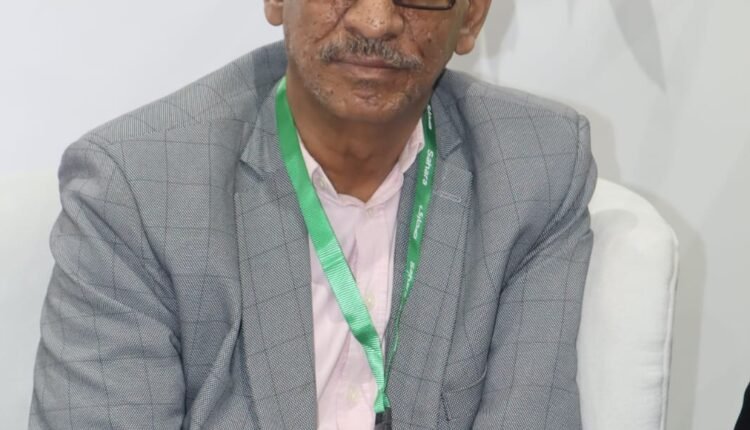
By: Ahmed Elsharief Mohamed
1. Fiscal and Structural Reform
– Realign the state’s financial compass to reduce deficits and stimulate the private sector.
– Transition from a rentier economy to a productive one by focusing on industry, agriculture, and technology to reduce reliance on imports.
– Withdraw the state from direct economic activity by activating the State Ownership Policy Document, thereby financing and empowering the private sector to lead growth—reducing the burden on the government budget.
– Manage public debt by setting a ceiling for borrowing and replacing short-term debt with long-term debt to lower interest costs.
2. Human Development (Investment in People)
– No strong economy exists without skilled labour and a healthy society.
– Develop technical education by linking curricula to labour market needs (e.g., programming, renewable energy, artificial intelligence).
– Implement smart social protection programs: replace in-kind subsidies (goods) with conditional cash transfers tied to children’s enrollment in education and healthcare, ensuring support reaches the most vulnerable.
3. Green Economy and Environmental Sustainability
– The green economy is now a necessity, not a luxury, to attract international investment.
– Expand renewable energy projects such as green hydrogen, solar, and wind power to transform the country into a regional energy hub.
– Promote the circular economy by encouraging waste recycling and reducing resource wastage, especially water, through modern irrigation technologies.
4. Governance and Digital Transformation
– Eliminating bureaucracy is the “magic key” to attracting foreign investors.
– Digitise government services to reduce administrative corruption.
– Apply transparency and accountability by ensuring the independence of regulatory institutions and publishing accurate economic data to strengthen international confidence.
–
Shortlink: https://sudanhorizon.com/?p=12382