

Pink October… A Celebration That Is Not a Luxury, but a Call to Life
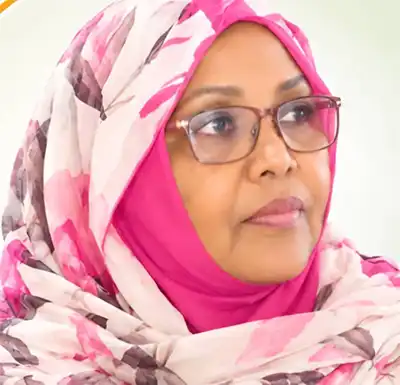
Ahlam Mohammed Ibrahim
Celebrating Pink October is not a luxury, nor is it merely an occasion when places are decorated in pink and awareness slogans are repeated for a few hours before fading away with the end of an event. It is a humanitarian and health wake-up call, urging us to pay attention to what we may not see, to focus on the foundations of women’s health, to safeguard family well-being, and to protect the future of generations.
Designating October as Pink October carries a meaning that goes beyond colour. It reminds us of the importance of women’s health and the need to provide women with the care, attention and awareness they deserve, particularly regarding breast cancer. Reducing risk, recognising warning signs and detecting the disease early are essential steps in confronting it.
Women’s health is not an isolated individual concern; it is a matter affecting families, society and the population as a whole. Women play a central role in building families and caring for children, while reproductive health is an integral part of public health. This includes maternal well-being, child health, informed family planning, and access to appropriate healthcare at every stage of life.
Therefore, caring for women’s health does not begin when illness appears, nor does it end with treatment. It begins with awareness and extends to prevention, regular screening, proper nutrition, comprehensive healthcare and access to accurate information that helps women make informed decisions about their health.
Societies that understand the value of women’s health recognise that investing in it means investing in more stable families, healthier children and generations better equipped to contribute to society.
One of the most important messages of Pink October is that paying attention to our health is not a response driven by fear, but a conscious practice of responsibility. Prevention, recognising changes in the body, seeking medical advice when unusual signs appear, and following screening recommendations appropriate to one’s age and level of risk are all measures that can help identify health problems early.
Early detection is particularly important in the case of breast cancer because it can provide better treatment opportunities in many cases. Therefore, embarrassment, fear or the mistaken belief that screening is unnecessary should never become reasons to postpone medical consultation.
Any new change in the breast, such as a lump, changes in the skin or nipple, or unusual discharge, warrants medical evaluation. However, it is important to remember that these signs do not necessarily indicate cancer.
The most important message is that awareness does not mean living in constant anxiety. Rather, it means acquiring the knowledge that enables us to take action at the right time.
Strength in Confrontation… Hope in Recovery
Behind every awareness campaign are stories of women who have faced illness with courage, families who have stood by them, and doctors and healthcare workers who have worked to save lives and restore health.
A breast cancer diagnosis is not the end of the road, nor is it a verdict that hope must be abandoned. Modern treatments have made significant progress, and survival and recovery prospects are favourable in many cases, particularly when the disease is detected at an early stage. Outcomes, however, vary depending on the type and stage of the tumour and other health factors.
We therefore need a message that combines realism with hope: one that neither downplays the seriousness of the disease nor exaggerates the fear surrounding it, but instead encourages women to undergo screening, helps them face a diagnosis, and supports their right to treatment and psychological and social care.
Strength does not lie in denying illness, but in confronting it. It does not mean being free from fear, but refusing to let fear prevent us from taking the right steps.
Taking the Necessary Steps While Trusting in God
Faith and trust in God are not incompatible with seeking treatment. Rather, they go hand in hand with taking the necessary precautions, pursuing prevention, benefiting from science and medicine, and exercising patience in the face of adversity.
A woman who cares for her health, undergoes appropriate screening and seeks medical assistance when needed is not surrendering to fear. She is fulfilling her responsibility to herself and her family while giving herself a better opportunity for reassurance and treatment.
At the same time, families, communities and healthcare institutions must provide a supportive environment that enables women to access screening and treatment, protects them from stigma, and offers psychological and social support so that they do not face illness alone.
The true value of Pink October cannot be measured by the number of events held or the shades of pink decorating conference halls, but by the impact it leaves on women’s lives.
Has the message reached the woman who had never considered undergoing screening? Have families become more aware of the importance of maternal health? Have women found it easier to access healthcare services? And has awareness of prevention and early detection become a lasting habit throughout the year?
These are the questions that should accompany every celebration and motivate us to transform awareness into practical programmes, screening into an accessible service, and support into a shared responsibility.
In this context, women’s organisations have an important role to play, particularly the General Union of Sudanese Women. They can help spread health awareness, strengthen a culture of prevention, expand partnerships with medical institutions, and reach women in cities, rural areas and displacement zones, where the need for healthcare is greater and the challenges are more severe.
Given the circumstances Sudan is experiencing, caring for women’s health becomes part of the broader responsibility to support community recovery, protect families and uphold human dignity.
Let us look beyond the event and the occasion to the awareness that protects life, the care that supports families, and the knowledge that empowers women to make informed decisions.
We may not see the impact of early screening immediately, and we may not fully appreciate the value of medical advice until we need it. Yet these small steps can make an enormous difference to the life of an individual and an entire family.
Pink October is not merely a month dedicated to raising awareness of breast cancer. It is a renewed call to respect women’s bodies, safeguard their health, pay attention to reproductive health, improve the prospects of safe motherhood, and build healthier, more informed families.
Let us make pink the colour of awareness, early detection a pathway to hope, and prevention a culture that continues long after October ends.
Women’s health is not a luxury. It is the foundation of life, a root that may remain unseen but sustains the entire tree of society.
Shortlink: https://sudanhorizon.com/?p=19418