

Joint Forces Spokesman: Liberation of Abu Suroj and Bir Sleiba Cuts Desert Supply Lines
Cairo – Sudanhorizon – Sabah Musa
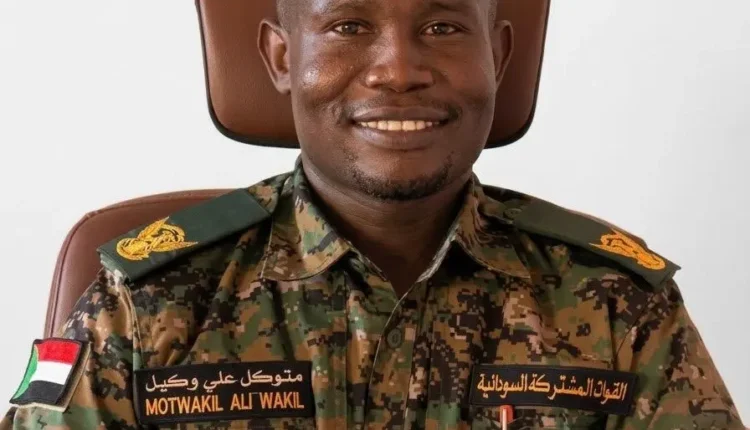
Official spokesman for the Joint Forces Mutawakkil Ali Wakil Abuja confirmed that the areas of Bir Sleiba and Abu Suroj were liberated from the control of the Rapid Support Forces (RSF) militia on Monday, noting that the Sudanese Armed Forces, Joint Forces, and supporting forces had made significant field advances in the area.
In an exclusive statement to Sudanhorizon, Abuja said the RSF militia had suffered heavy losses in personnel and military equipment during the operations. He explained that a large number of the militia’s combat vehicles had been destroyed, while a significant number of vehicles in good condition had been captured. He noted that Bir Sleiba is located about 30 kilometers north of El Geneina, the capital of West Darfur State, and is of great importance as a strategic military hub controlling the city’s northern entrance. He added that desert routes linking areas of West and North Darfur intersect there, explaining that control of the area could directly affect the military balance of power in the region given its geographical location and role in the movement of forces and supplies.
Abuja said the military and strategic importance of Bir Sleiba is reflected in several key aspects that have made it a focal point of the conflict. Foremost among these is its position as the northern gateway to El Geneina, as the area lies along the northern axis leading directly to the city, making it a first line of defense or a major launching point toward El Geneina. He noted that Bir Sleiba also serves as a supply and logistics artery, connecting the area to a network of vital roads linking the state capital with northern and western areas, including Jebel Moon and Kulbus. This makes it a key supply point for moving forces and supporting military operations in the region. He added that the area’s proximity to the border with Chad gives it additional importance in terms of controlling border routes, explaining that control of the area provides the ability to monitor and cut supply lines and desert routes, directly affecting the course of military operations in the region.
Regarding the humanitarian impact of the fighting in the area, Abuja said Bir Sleiba is located in an area that has witnessed repeated clashes, leading to the displacement of thousands of civilians from surrounding villages. He explained that the number of displaced people during one wave of displacement was estimated at more than 5,000, noting that most of them either fled to other areas within West Darfur State or crossed the border into Chadian territory.
Shortlink: https://sudanhorizon.com/?p=18658