

Glad Tidings to the Strangers: Carrying the Torch in an Age of Darkness
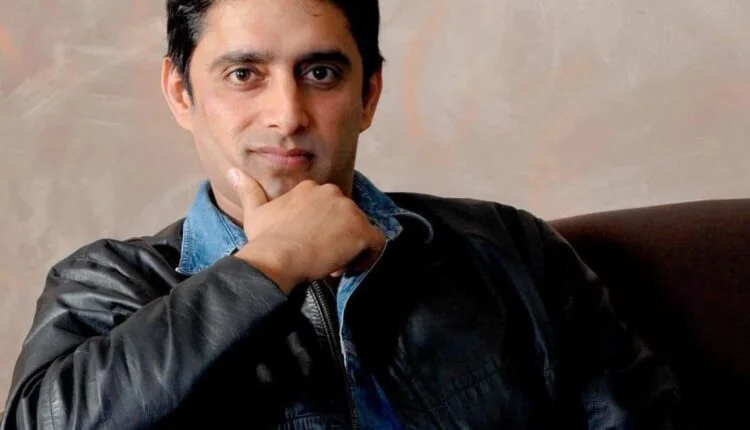
By: Salim Muhammad Badat
Islam did not enter the world as a fashionable idea or a convenient reform. It came firmly, and strangely, like a lone lamp lit in the middle of a long, merciless night.
Prophet Muhammad (saw) said: “Islam began as something strange, and it will return to being strange as it began. So glad tidings to the strangers.” This was not poetry. It was prophecy.
When Islam First Came: A World of Ignorance (Jahiliyyah)
Before Islam, Arabia lived in ignorance (Jahiliyyah,) not merely ignorance of facts, but ignorance of truth, purpose, and mercy. It was a civilization outwardly proud yet inwardly hollow, governed by tribal arrogance and brute power.Cruelty was normal.
Girls were buried alive, not out of poverty alone, but out of shame. A father could dig a grave for his own child and feel no moral tremor. Women were inherited like property. They could be traded, discarded, or abused without recourse. Marriage was often a transaction of lust or power, stripped of dignity and responsibility.
Children were vulnerable. Orphans were devoured by their guardians. The weak had no protection except by aligning themselves to a powerful clan. Justice was not a principle, it was a privilege reserved for the strong.
Commerce itself was corrupt. Cheating, usury, and deception were common. Oaths were broken easily. Trust was fragile. Alcohol numbed consciences. Gambling destroyed families. Blood feuds lasted generations. Pride was worshipped. Mercy was mocked. This was not a primitive age in tools, it was primitive in ethics. Into this darkness came Islam.
Islam: A Stranger With a Healing Light
Islam did not merely reform society, it reconstructed the human being. It told the strong to restrain themselves and the weak that they mattered. It raised women from objects to moral equals, granting them inheritance, consent, dignity, and honor. It placed the orphan under divine protection and made kindness to them a measure of faith.
Islam declared that no Arab was superior to a non-Arab, no white over black, no rich over poor, except by taqwa (God consciousness). It replaced tribal loyalty with moral responsibility. It turned enemies into brothers and savages into stewards.
And this is why Islam was strange.
It challenged power. It humbled kings.
It threatened profiteers. It exposed hypocrisy. The world it entered did not recognize justice when it saw it.
The Return of Strangeness: Ignorance (Jahiliyyah )Reborn
Now look around. The scenery has changed. The darkness has not.
Today’s Jahiliyyah wears suits, runs banks, controls media, and speaks the language of “progress.” But beneath the polish, the same brutality breathes.
Child trafficking women and children, are exploited in hidden networks while elites are protected. Wars are justified with lies while entire populations are erased. Genocide is rebranded as “self-defense.” Economies are engineered to enslave nations through debt. Human beings are reduced to data, profit margins, and expendable labor. Family is dismantled. Gender is commodified. Innocence is confused. Nihilism is sold as freedom. Moral boundaries are mocked as oppression. Even the idea of truth itself is treated as negotiable.
And once again, Islam feels strange.
Its insistence on modesty seems alien.
Its defense of family is called backward.
Its moral clarity is labeled “extreme.”
Its submission to God is ridiculed in a world drunk on ego and hedonism.
The same light that once exposed the cruelty of the desert now exposes the cruelty of global empires.
Glad Tidings to the Strangers.
But the hadith does not end in despair.
“So glad tidings to the strangers.”
Who are they? They are not defined by numbers. They are the ones who hold to truth when lies are fashionable. They are the ones who guard mercy in an age of violence. They are the ones who refuse to bow to the idols of money, desire, or fear.
They are the torchbearers. The ones who confront the darkness with faith in their hearts, truth on their tongue and a sword in their hands.
Carrying the Torch.
Allah named humanity khulafa, stewards, vicegerents on earth. The Prophet (saw) entrusted us with a mission, to illuminate it. To confront the darkness.
And what is this torch? It is the torch of justice . It illuminates families by restoring responsibility and love. It illuminates markets by insisting on honesty.
It illuminates politics by refusing oppression, regardless of who commits it.
It illuminates the soul by reconnecting it to Allah.
We are not called to imitate the barbarism of the age. We are called to confront it and destroy it
The Final Call.
Islam needs to be embodied. In character before slogans. In mercy before outrage.
In patience before reaction.The world is once again lost, and once again, Islam is strange.
So walk proudly as a stranger. Carry the torch steadily. Let its light speak where words fail, because every long night eventually recognizes the value of a lamp.
And glad tidings, true glad tidings, belong to the strangers who carry it .
Salim Mohamed Badat
Writer exploring the intersection of faith, politics and justice
Shortlink: https://sudanhorizon.com/?p=11624