

Central Bank Directs Monitoring of High-Risk Transfers
Sudanhorizon – Hala Hamza
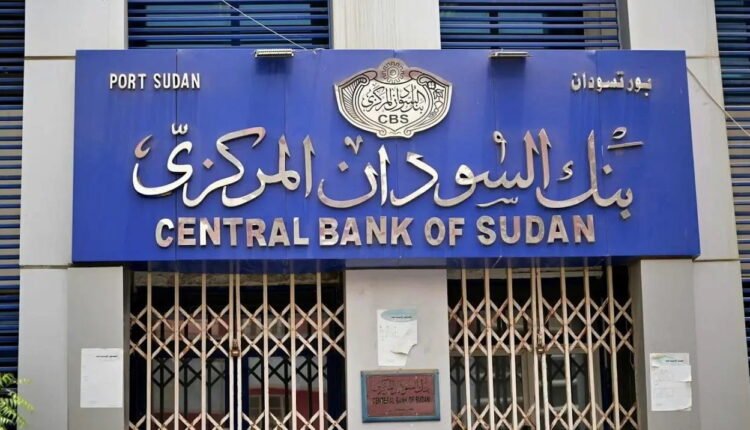
The Central Bank of Sudan has issued new regulations to organize customer transfers, directing banks and non-bank financial institutions to identify and assess the risks of transfer operations executed through them, establish a framework for their management, monitoring, and documentation, and subject high-risk customers and transfers linked to high-risk geographic areas to Know Your Customer (KYC) procedures.
Due Diligence Procedures
The Central Bank directed banks and non-bank institutions to adopt risk-based supervisory mechanisms.
It obligated them to verify customer identity using official documents, ensure the accuracy of the data provided by customers, periodically update customer data, and verify that customers are not listed on prohibition, seizure, or freezing lists, or those issued by the technical committee for the implementation of UN Security Council resolutions.
In the execution of high-risk transfers, the Bank stressed the necessity of obtaining additional information from customers, including the source of funds, the purpose of the transfer, and the nature of their economic activity, in addition to conducting periodic reviews of customer transaction patterns to detect any unusual information and ensure that transaction volumes are proportionate to income sources.
The Bank also directed that the results of reviews and analyses be documented and retained within the customer risk file, and mandated linking all customer accounts to a unified reference number, as well as monitoring any indicators in the movement of these accounts—particularly those arising from customer transfers—including risks related to money laundering, terrorist financing, or tax evasion.
Procedural and Technical Controls
The Central Bank instructed banks to adhere to daily and monthly ceilings for financial transfers as determined by the Central Bank of Sudan, ensure that transfers do not exceed the nature of the customer’s activity and source of income, retain all operations and accompanying documents, and maintain records in a manner that enables competent authorities to review them when necessary. It also directed the activation of balance-tracking features and the monitoring of suspicious movements through technical systems dedicated to combating money laundering and terrorist financing, linking them to the compliance officer via an electronic system for transaction monitoring.
The Bank called on banks and non-bank institutions to periodically update customer data and ensure its completeness, and to coordinate between internal audit and compliance departments to ensure that the controls regulating customer transfers are fulfilled by the relevant departments within the bank.
The Bank directed the compliance officer to notify the Financial Intelligence Unit and send a copy to the Central Bank when there is suspicion of any transfers involving potential money laundering, terrorist financing, or tax evasion, in addition to using technical systems dedicated to combating money laundering and terrorist financing.
The Bank indicated that these controls apply to all transfers executed by bank customers using any of the following internal transfer channels: cash deposits; transfers from one account to another; check deposit transfers; transfers via banking applications and electronic channels; transfers through the Siraj system; any other customer transfer channels within banks and between banks approved by the Central Bank of Sudan; external transfers; and transfers by customers of non-bank financial institutions.
Shortlink: https://sudanhorizon.com/?p=10244