

Sudan Reaffirms Confidence in Liberia’s Presidency of the UN SC
Monrovia – Sudanhorizon
Sudan has reaffirmed its support for Liberia’s upcoming presidency of the UN Security Council in December, calling on the Council to play a more effective role in addressing foreign interference, halting the flow of weapons to rebel groups, and respecting the sovereignty and territorial integrity of African states.
This came during a diplomatic briefing delivered last Thursday by Liberia’s Ambassador to Côte d’Ivoire, Willy May Tolbert, to a group of African ambassadors and representatives of the permanent members of the Security Council, regarding her country’s preparations for assuming the rotating presidency of the Council starting December 1, 2026, and the priorities of its work program for the coming month.
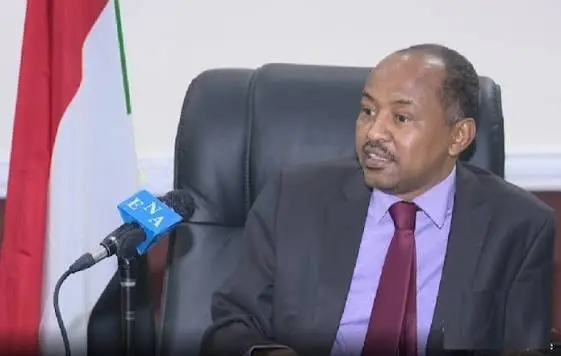
In his remarks during the discussion following the briefing, the Chargé d’Affaires of the Sudanese Embassy, Ambassador Mukhtar Bilal, expressed Sudan’s appreciation for the presentation given by the Liberian Ambassador. He reiterated Sudan’s confidence in Liberia’s membership and presidency of the Council, emphasizing the important role it could play in addressing African issues, given its direct experience in conflict resolution and peacebuilding.
Bilal referred to the visit of Liberian Foreign Minister Sarah Beysolow Nyanti to Sudan last March, which was considered the first visit by a high-ranking African official to Khartoum after the government regained control and its institutions were restored. He noted that this visit provided Liberia with an opportunity to gain firsthand insight into the developments in Sudan and the challenges of the current phase.
In reviewing the developments of the war in Sudan, the Chargé d’Affaires addressed the repercussions of the continued external military and logistical support for the Rapid Support Forces. He pointed out that the involvement of regional actors and neighboring countries in supplying them with weapons and equipment has contributed to prolonging the conflict for the third consecutive year, despite UN reports on these interventions. He pointed out that Sudan had previously filed a complaint with the Security Council regarding Chad’s involvement in supporting rebel forces, and recently filed another complaint concerning Ethiopia’s role, accusing it of harboring elements of the rebel forces and being involved in attacks targeting eight Sudanese states in early November.
He stressed that the continuation of these interventions not only poses a threat to Sudan, but also negatively impacts the security and stability of the region and undermines efforts to end African conflicts. This necessitates a clear international stance and practical measures to prevent the use of neighboring countries’ territories as launching pads for military operations or as conduits for supplying armed groups.
The Sudanese position presented four main points that it believes require urgent attention from the Security Council in the coming period, foremost among them strengthening African sovereignty and activating the principle of African solutions to African problems by empowering the African Union and regional institutions to play their role in addressing crises and conflicts within the continent. He also called for support for national initiatives aimed at ending the war in Sudan, foremost among them the roadmap proposed by the Sudanese government, and encouraged the launch of a comprehensive national dialogue that includes all political forces, enabling Sudanese people to address their differences and determine their country’s future free from foreign interference.
Ambassador Bilal emphasized the importance of taking concrete measures to halt external military support for rebel forces and prevent the flow of weapons and equipment through neighboring countries. She also stressed the need to work towards reducing regional tensions, strengthening good neighborly relations, and adhering to the principle of non-interference in the internal affairs of states and respecting their sovereignty and territorial integrity.
For her part, Ambassador Willy May Tolbert outlined the Liberian presidency’s program, explaining that her country, which has held a non-permanent seat on the Security Council since January 2026, intends to work on strengthening coordination among the three African member states of the Council—Liberia, the Democratic Republic of Congo, and Somalia—to unify positions on pressing issues facing the continent, including Libya, Sudan, and the Democratic Republic of Congo, as well as the Sahel and Horn of Africa regions. She affirmed her country’s commitment to the common African position calling for Security Council reform to ensure fair representation for the continent by granting it two permanent seats with full powers, including veto power, in addition to five non-permanent seats.
These initiatives fall under the Liberian presidency’s motto, “From Sustaining Peace at Home to Strengthening International Peace and Security,” a motto reflecting Monrovia’s desire to leverage its national experience in overcoming civil wars and rebuilding state institutions to contribute to enhancing international security and stability.
Liberian President Joseph Boakai is expected to chair a high-level Security Council debate on maritime security issues on December 3, a historic step as he will be the first Liberian president to chair a session in the Council chamber.
The Liberian presidency will focus on five key themes: women, peace, and security; youth, peace, and security; the relationship between climate change, conflict, and natural resources; regional and sub-regional security; and Security Council reform and the development of peacekeeping operations.
The briefing was attended by high-level diplomats, including the Secretary-General of the Ministry of Foreign Affairs and International Cooperation of Côte d’Ivoire, Ambassador Everette Koffi Yabi, reflecting the importance of African coordination in the coming period, particularly in light of the escalating security and political challenges facing the continent.
The Liberian presidency is of particular importance with regard to African issues on the Security Council’s agenda, at a time when there is a growing need for an international stance more aligned with the continent’s aspirations, and for addressing the root causes of conflicts, rather than merely dealing with their consequences, foremost among them intervention.
Shortlink: https://sudanhorizon.com/?p=20779