

When Women Speak: “The RSF Have Burned Our Very Hearts”
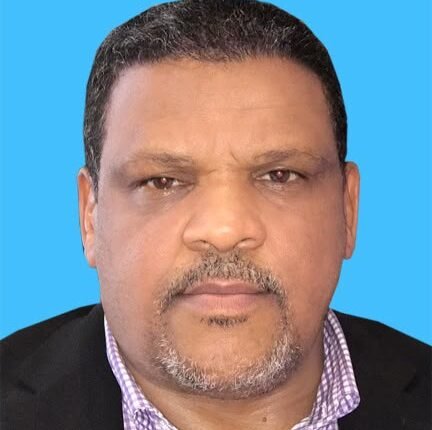
Adil Al-Rifai Abulhassan
Some wounds cut so deeply into the human soul that words fail, and language proves inadequate to describe the anguish and heartbreak they inflict. When pain reaches its utmost limit, a Sudanese woman sometimes finds no words to express her devastation other than the phrase: “They have burned our very hearts.” This is no passing remark, nor merely a complaint about some misfortune. It is a cry that carries within the Sudanese collective consciousness such profound grief and pain that language cannot fully encompass it. When the words are uttered, no explanation is needed. Everyone who hears them understands that behind them lies a tragedy beyond the limits of human endurance, and a wound that has cut to the very depths of the soul.
I heard this expression in a video clip featuring a woman from the town of Al-Khuwai, as army forces entered the town. The moment she uttered it, she brought back to the Sudanese collective memory wounds that people had thought they had overcome, and unleashed tears that many had tried to hold back throughout the years of war. The same expression has been repeated by many women, but this woman’s tone and the way the words emerged from the depths of her anguish were different. Her voice seemed to carry the pain of bereaved mothers, devastated wives, children robbed of their sense of security, and families uprooted from their homes and their lives. She was not speaking of her own suffering alone; it was as though all of Sudan were speaking through her voice.
Since the rebellion by the Dagalo family’s militia, Sudanese people have endured successive chapters of tragedy that have left no room for security or dignity: killing and bloodshed, terror and torture, dragging people along the ground and humiliating them, looting and theft, the burning of homes, violations of sanctities and personal honour, and assaults on women. No one was spared these practices—not children, women, elderly people or the sick. The victims were not opponents in a battle, nor combatants on a battlefield. They were ordinary, peaceful citizens in their homes and workplaces, earning their livelihoods and dreaming of a stable life, only to find themselves confronted with death, fear and the violation of their most basic human rights.
Even more horrific is the fact that the cries of children, the pleas of women, the groans of the sick, and the desperate appeals of elderly people and prisoners did nothing to deter the attackers. In deeply distressing scenes, these cries were instead met with mockery, laughter and derision, as though people’s suffering were a source of entertainment! Nor did matters stop at ignoring their pleas. They extended to deliberate acts of humiliation, torture and brutality. Some perpetrators took their cruelty to the point of boasting about their crimes, proudly proclaiming what they had done and publishing footage of their own atrocities, as though killing innocent people were an act of heroism and the shedding of citizens’ blood an achievement worthy of celebration. What kind of cruelty is this, which is not stirred by a child’s tears, restrained by a woman’s pleas, or halted by the groans of a human being begging for the chance to live?
Among the most heart-rending images of this tragedy are those of families leaving their towns and villages—men, women, children and older adults—carrying whatever they could manage and abandoning behind them their homes, memories and livelihoods in flight from death, fear and humiliation. These people did not leave in search of a better life. They were simply looking for somewhere they could feel safe, somewhere their lives and their children’s lives would be protected. How devastating it is when a home that once offered shelter and security becomes a place its own occupants fear, and when a person must abandon everything accumulated over a lifetime to preserve the right to live!
These are not merely figures in reports on casualties and displacement, nor incidents that the passage of time can consign to oblivion. This is a national tragedy in every sense of the word: mothers who have lost their sons and daughters, children deprived of their fathers, wives bereaved of their husbands, and families torn apart, not knowing where to find one another. Homes have been burned, lifetimes squandered, hearts broken and tears left un-dried. After all this bloodshed and all these tears, one question remains: Were the lives they took, the homes they burned, the families they displaced and the dignity they violated not enough for them? Was there nothing in all these tragedies that could have deterred them from further acts of brutality?
What has happened must not be lost amid the clamour of war and politics, nor reduced to passing statistics. It is the duty of writers, historians, researchers and documentarians to preserve the testimonies of victims and record these events faithfully. This is the memory of a nation and the history of generations yet to come, who must know what their people endured and what happened in their homes, towns and villages. Documenting these tragedies is an act of loyalty to the victims, a safeguard for their rights and a testimony to history. What memory does not preserve and pens do not record may, over time, be deliberately erased.
As for that woman from Al-Khuwai, in just a few words she said what many pages would struggle to convey. Her expression was not simply a description of sorrow. It was a cry rising from the depths of devastation, speaking on behalf of every mother who has lost a child, every wife bereaved of her husband, every woman who has seen her family killed or tortured, every family driven from its home, and every Sudanese person who has tasted the bitterness of oppression and humiliation.
“The RSF have burned our very hearts.”
These were not merely words spoken by a woman from Al-Khuwai. They were the cry of an entire nation, emerging from one woman’s voice to encapsulate the suffering of thousands of mothers, wives and daughters. In those few words were contained the stories of homes burned, lives taken, families displaced and hearts deeply wounded. A woman uttered them, but their echo reached far beyond Al-Khuwai, extending to every Sudanese town and village that has tasted the bitterness of loss, oppression and displacement.
This cry will remain a witness to an era in which countless hearts were broken, to crimes that must never be forgotten, and to women who have borne suffering that even mountains could scarcely endure. Homes may be demolished, the landmarks of cities erased, and the fortunes of a country transformed, but the memory of the victims will not be erased, and the voices of those who have suffered will not disappear from the pages of history.
They have burned our very hearts… Yet this is a cry that the passage of time will never extinguish, a pain the years will never bury, and a testimony that will endure as long as there remains in Sudan a heart that remembers, a pen that writes, and a conscience that refuses to forget.
This tragedy will remain an open indictment of everyone who committed these crimes, everyone who condoned, justified or defended them, and everyone who continues to support the rebellion while turning a blind eye to the victims’ blood, the anguish of bereaved mothers and the suffering of the displaced. For history records not only the crimes themselves, but also the positions taken by those who remained silent about them, those who justified them, and those who chose to stand on their side.
Shortlink: https://sudanhorizon.com/?p=20253