

The African, Caribbean, and Pacific (ACP) Parliamentary Union Condemns Militia Violations, Rejects Parallel Entities
Sudanhorizon– Mariam Abasher
The joint meeting of the African, Caribbean, and Pacific (ACP) Parliamentary Union has condemned the egregious violations committed by the Rapid Support Forces (RSF) militia in Sudan. It specifically addressed the recent targeting of Khartoum International Airport and civilian infrastructure in Sudan.
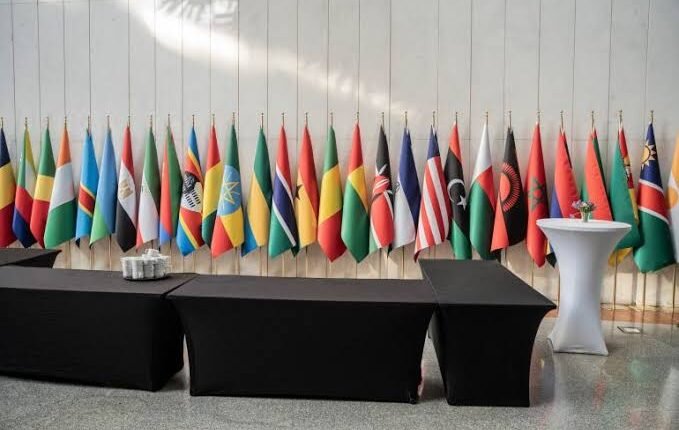
In its concluding recommendations from the first joint meeting of the year, held two days ago in the Kingdom of Eswatini (formerly Swaziland) in southern Africa, the parliamentary group emphasized the importance of Sudan’s unity, sovereignty, and territorial integrity. It declared its categorical rejection of any parallel entities, political formations, or other arrangements outside the framework of the existing state. The bloc also condemned foreign interference in the internal affairs of member states, which has contributed to fueling conflicts through the supply of weapons and mercenaries.
Sudan called on the Union to activate procedures for certificates of origin and to hold accountable any countries that manufacture or purchase European weapons from member states if violations are committed. Sudan’s ambassador to Brussels and its representative at the meeting, Abdul-Baqi Hamdan Kabir, described the meeting as important. He told Sudanhorizon that Sudan was able to explain the dimensions of the militia rebellion and its negative effects on the country and the region. In his statement to Sudanhorizon news website, Kabir added that Sudan clarified to the member states of the organization, which includes 79 European and African countries, the external role in igniting and prolonging the Sudanese war, and that the war threatens regional and international trade.
In his remarks, the Sudanese representative reiterated the government’s commitment to achieving peace in accordance with the principles and conditions outlined in the initiative recently presented to international parties. Kabir stated that despite the absence of a parliament in Sudan due to the current exceptional circumstances, he participated in the meeting, and the commitment to completing the transitional structures and holding free elections leading to a comprehensive civilian government was emphasized.
It is worth noting that Sudan signed the new agreement establishing the organization in 2023, which stemmed from the Cotonou Agreement. The bloc comprises 79 countries, including all African countries except South Africa, as well as European, Pacific, and Caribbean countries, and focuses on partnerships in economic, developmental, and trade fields, as well as good governance, migration, combating environmental phenomena, diplomatic cooperation, and youth issues.
Shortlink: https://sudanhorizon.com/?p=14027