

The Moral Collapse of the American Counterterrorism System
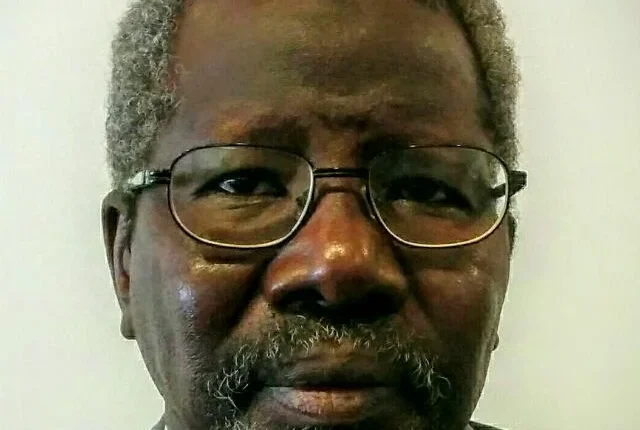
Dr Hassan Issa Al-Talib
The resignation of prominent Republican figure and former congressional candidate Joe Kent, Director of the National Counterterrorism Center, established in 2004 to coordinate all security and intelligence agencies and to serve as an international hub for coordinating operations and exchanging information with allied security agencies—such as Israel, Middle Eastern and European states—and for deploying intelligence networks across the world, came as a harsh and unprecedented response from within the inner circles of the administration close to Donald Trump.
It also emerged from some of the strongest supporters of the “Make America Great Again (MAGA)” movement, following their firm conviction that the leader in whom they had placed their hopes—whom they had long treated as a kind of awaited saviour—had, through erratic impulses, overstepped established diplomatic norms and entrenched legal and ethical standards. This perception has been reinforced by repeated instances of overtly racist rhetoric emanating from the head of the administration, directed broadly at various groups, including Black and minority American citizens.
Such rhetoric, according to the author, extended to African nations, which were reportedly described in official discourse as “shithole countries”, as well as to Somali communities in Minnesota. It also included criticism and mockery directed at Congresswoman Ilhan Omar, including remarks about her headscarf during widely covered press conferences, which the author interprets as disparaging Muslim women who observe religious dress.
In addition, the article highlights policies involving the forced deportation of migrants from Latin America and other parts of the developing world, accompanied by public accusations of criminality, including drug trafficking, murder, and rape. These individuals, it claims, were detained and deported under restrictive conditions to third countries.
Such actions are described as carried out in apparent disregard of rulings by U.S. courts, which, under constitutional provisions, had, in some cases, acquitted individuals, criticised mistreatment, and objected to deportations carried out without granting detainees access to legal counsel or family members. In response, President Trump is said to have criticised such judges as insufficiently patriotic for defending migrants and vulnerable individuals.
Expansion Beyond International Norms
The article argues that these developments extended into the realm of international relations, affecting established global norms, including those embodied in United Nations frameworks. It points to statements or actions involving Greenland, Canada, and Cuba, as well as references to developments concerning Venezuela and Iran, including allegations of targeted actions against political leaders.
It also criticises what it describes as the politicisation of sanctions, particularly through the Office of Foreign Assets Control (OFAC), arguing that designations have sometimes diverged from expert assessments within the administration.
These developments, the author suggests, occurred despite objections from members of Congress across both major political parties, and in ways that raise concerns about adherence to established U.S. legal procedures in matters such as the declaration of war.
Scope of Counterterrorism Infrastructure
The National Counterterrorism Centre maintains an extensive database of approximately 1.5 million names and entities considered to pose potential threats to U.S. national security, including domestic organisations. Among those referenced is the designation of ANTIFA, a loosely organised movement of activists opposed to certain government policies, particularly on immigration and human rights.
Triggering Events
The article identifies what it describes as a major escalation in events, including actions related to Venezuela and Iran, as well as the expansion of terrorism designations to include critics of these policies.
It states that Kent’s resignation explicitly referenced his opposition to actions taken against Iran, asserting that these were not purely the result of U.S. decision-making, but were influenced by external pressures, including from Israeli leadership and lobbying groups in Washington. In his resignation statement, he reportedly indicated his unwillingness to participate in what he viewed as another destructive conflict, drawing parallels with the 2003 invasion of Iraq.
Strategic and Moral Implications
According to the author, this development represents a moral setback for the Trump administration and weakens its diplomatic standing in Europe and globally. It is argued that geopolitical competitors such as China and Russia, along with emerging powers such as Brazil, may benefit from this shift, particularly when they position themselves in opposition to U.S. policy.
Brazilian President Luiz Inácio Lula da Silva is cited as having openly criticised both Israeli actions and U.S. policy in relation to Iran.
Historical Perspective
The article concludes with a broader historical reflection, suggesting that the early signs of decline in major powers often appear through overreach, miscalculation, and reliance on past achievements. Such patterns, it argues, can lead to unexpected defeats as rival powers gain strength.
As an example, it refers to the Byzantine (Eastern Roman) Empire, which suffered significant defeats to Persian forces during the reign of Emperor Heraclius in the 7th century, an event referenced in the Qur’anic verse: “The Romans have been defeated in the nearest land” (Surah Al-Rum, verse 2). These events are presented as early indicators of weakening, which were later followed by further losses to rising powers.
Conclusion
The article frames these developments as part of a broader pattern of institutional and strategic strain, raising questions about the long-term trajectory of U.S. global influence and the sustainability of its current policy approaches.
Shortlink: https://sudanhorizon.com/?p=12227