

River Nile Ferry Drauning: A Recurring Tragedy – Who Is Responsible?
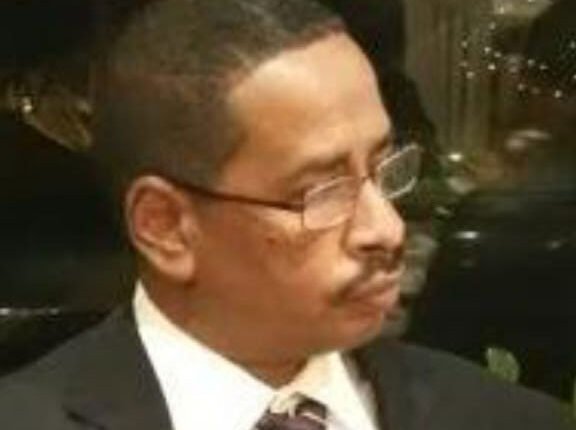
Major General of Police Dr Najm al-Din Abdelrahim
First, we say: “Indeed, we belong to Allah and to Him we shall return.” The calamity is grave, the loss immense, and the sorrow profound following the drowning of 25 people from the village of Deim Al-Garayi. Most of the deceased were from one or two extended families who had travelled to the village of Tayba Al-Khawad on the western bank of the Nile to offer condolences. We pray that Allah accepts them as martyrs and grants patience and comfort to their families in Deim Al-Garayi.
This was not the first sinking involving the Deim Al-Garayi–Tayba Al-Khawad ferry. The tragedy has been repeated several times, claiming the lives of honourable citizens from both communities.
We extend appreciation and thanks to the Chairman of the Sovereignty Council, General Abdel Fattah al-Burhan, Sovereignty Council member Dr Nawara, and the accompanying delegation for sharing in the grief of the people of Deim Al-Garayi and offering condolences for those who were lost. This humane gesture is commendable.
But the question remains: what happens after this incident?
Will meaningful action follow, or will mourning tents be dismantled only for the same scene to repeat itself once again, God forbid?
Answering this requires confronting uncomfortable questions and examining the causes behind the repeated occurrence of this painful yet preventable disaster.
Who Is Responsible?
Naturally, the police are investigating the immediate causes of the incident. But we must look beyond the boat captain’s responsibility and examine the accountability of official institutions.
First: The Government of River Nile State and Local Authorities
The responsibility of state and local authorities is to issue the ferry’s operational permit after ensuring that all licensing conditions are met. These include:
A thorough audit and inspection of the vessel
Verification that it complies with required safety standards
Certification that it is suitable for operating in high-risk conditions within the Nile’s main channel
Annual renewal of the licence following field inspection
Confirmation of compliance with passenger safety procedures
The fundamental question is:
Did the relevant authorities conduct these procedures before issuing a work permit—after collecting the required fees?
Another question directed to the River Nile State authorities:
Which authority issues the public driving licence for ferry operators? Is it the local authority or the traffic police?
Or is the matter left to chance and “leave it to God”?
Second: Civil Defence Police
We heard that a Civil Defence unit rushed to the scene to recover the missing bodies. But does the role of Civil Defence end at retrieving corpses? Or does it include preventing such river disasters?
Why was there no permanent rescue post in the ferry’s operational area—equipped with trained personnel and appropriate life-saving equipment—especially given that this ferry has operated for decades?
Where was Civil Defence at the moment the incident occurred?
While we believe in divine decree, it is reasonable to say that the death toll could have been significantly lower had proper rescue teams and equipment been in place. It is difficult to imagine that river rescue units should not have an active presence in such a well-known crossing area.
The Boat Operator
The ferry captain must also answer serious questions:
Why was such a large number of passengers allowed on board?
Were safety and rescue equipment available on the vessel?
The answer, regrettably, appears to be no.
Conclusion
If the government of Mr Kamil Idris can allocate 11 million US dollars to complete the Halfaya Bridge—facilitating movement between Bahri and Omdurman—then surely it can allocate 50,000 US dollars to procure a properly equipped passenger ferry that meets recognised safety standards to protect lives.
The Halfaya Bridge can wait. But safeguard the lives of vulnerable citizens at river crossings across the country before more tragedies occur.
It was said by Caliph Umar ibn al-Khattab:
“If a mule were to stumble in Iraq, I would fear that Allah would ask me why I did not pave the road for it.”
So what of the accountability for 25 precious lives lost due to negligence and weak oversight?
Shortlink: https://sudanhorizon.com/?p=11290