

From Resilience to Recovery: Reflections on the First Banking Meeting Shaping the Post-War Era
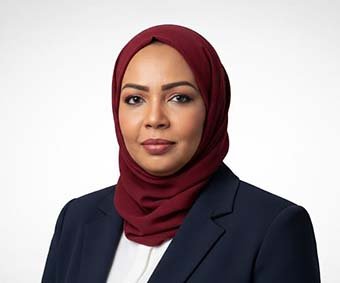
Dr Marwa Qabbani
The Central Bank of Sudan convened the first meeting of the chief executives of commercial banks in Khartoum State yesterday, Friday, under its chairmanship. The meeting was held at the gracious invitation of the Governor of the Central Bank of Sudan, Amina Mirghani, and was attended by a broad representation of banking leaders and senior Central Bank officials.
The meeting discussed the resilience of the banking system during the war and the transition to a recovery and reconstruction phase. It also reviewed the current status of commercial banks and their response to the call to return and regularise their operations, including the return of their headquarters to Khartoum State by no later than mid-year, with branches resuming operations gradually.
The Governor further announced the introduction of substantial amendments to financing policies to support reconstruction efforts and ensure compensation for citizens’ war-related losses. She noted that these amendments had been approved by the Sovereignty Council, alongside the updating of the Banking Act for 2026.
In her address, the Governor emphasised the importance of activating anti-terrorism and anti-money-laundering systems, enhancing financial inclusion, and underscored the need to unify national platforms to implement digital transformation programmes in the coming phase.
As part of the return decision, Bank of Khartoum became the first bank to resume operations from within Khartoum State. This move has raised hopes that other banks will follow suit by regularising their positions and reopening branches in the national capital and the states—reflecting stability in the banking sector, contributing to the provision of banking services to citizens, completing currency replacement arrangements, and implementing financial policies aimed at reforming the banking system.
Among the most notable anticipated reforms in the coming phase are:
Reviewing the number and scale of banks and raising minimum capital requirements, with banks required to comply with the new standards—thereby strengthening the stability of the financial and banking sector.
Advancing towards the establishment of effective investment portfolios that serve the banking sector and open broader horizons for economic investment, alongside completing executive structures and leadership within the banking industry.
Activating national systems that facilitate liquidity circulation within the banking system, encouraging banks to offer attractive services to individuals and financial institutions in support of sustainable development.
Strategic Planning and Digital Transformation Expert
Shortlink: https://sudanhorizon.com/?p=10696