

Copper Is Sometimes Stolen Before Gold!!
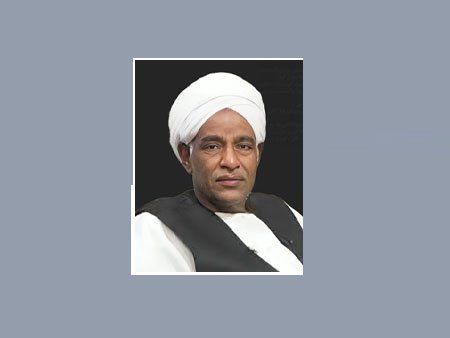
Mahjoub Fadel Badri
Amid the manufactured debate over who fired the first shot, who is financing this war, and who benefits from the smuggling of Sudan’s gold, criminal gangs have been engaged in other activities no less serious—crimes that amount to the systematic destruction of both the state’s and citizens’ infrastructure, and ultimately the devastation of the economy itself.
These criminal networks have fixed their sights on a specific metal—copper. Rather than mining it from its natural deposits, they found it readily available in people’s homes and within the electrical transformers spread across the capital, Khartoum.
According to Mr Al-Tayeb Saad El-Din, spokesperson for Khartoum State, more than 7,000 electrical transformers have been destroyed in Khartoum alone, in addition to the sabotage of over 25 water stations.
Armed groups dug up the ground to loot underground electrical cables and broke through the walls of homes to extract copper wiring. They then melted the metal in rudimentary furnaces, using household furniture and wooden doors and windows as fuel. The result was copper ingots, which were smuggled into South Sudan, where each truck reportedly paid around $500 for passage. From there, the copper was transported to Uganda, where Indian traders purchased it for approximately $3,000 per tonne—a negligible sum compared to the global price of around $9,739 per tonne, nearly $10,000. The copper was then exported to India, where it enters various industrial uses.
Many of these details were revealed in an investigative report broadcast by Al Araby TV titled “The Theft of Homes in Jabra.” The report featured testimonies from Engineer Hani Omar, three scrap metal traders, and statements from Ms Mahasin Ali Yaqoub, Minister of Trade, Brigadier Nabil Abdallah, former spokesperson of the armed forces, RSF member Imran Abdallah, businessman Kambal Ali Kambal, and lawyer Moaz Hadra. All agreed that what occurred constitutes—at a minimum—smuggling and economic sabotage under Sudanese criminal law, and at its most severe, a war crime under international law.
Estimates suggest that the volume of looted copper ranges from 700,000 to 1 million tonnes. Each square metre of underground cable contains approximately six kilograms of copper. Mr Kambal described the operation as tantamount to “clinical death” for the economy. In an attempt to conceal the crime, some of those involved reportedly sought to obtain export licences using backdated contracts—blatant corruption.
Security forces have managed to seize some quantities of copper prepared for smuggling. Still, these amounts are negligible compared to the vast scale of what has already been looted—quantities that cannot yet be accurately determined. At the same time, the war continues in parts of Kordofan and Darfur.
Meanwhile, the armed forces continue to fight on multiple fronts. By the grace of God, they hold the upper hand, maintaining the initiative and advancing steadily to defeat what is described as a terrorist militia—offering martyrs in succession, supported by the steadfast backing of the Sudanese people and the prayers of grieving mothers, widows, and orphans.
We shall not forget. We shall not forgive. We shall not pardon, reconcile, appease, or negotiate—
with those who stole our property, killed our people, occupied our homes, violated our honour, destroyed our economy, opposed our army, looted our gold and copper, tarnished our reputation, and insulted our elders.
There is no place for those who supported the Janjaweed, remained silent in the face of their violations, or even indicated the whereabouts of their victims. People in Al-Maqrat told President Abdel Fattah al-Burhan, “They shall not return.” Or, as was said in Al-Dinder: the same sentiment stands.
People are preoccupied with gold—yet what has been lost in copper is no less significant than the gold that has been taken.
Shortlink: https://sudanhorizon.com/?p=12357